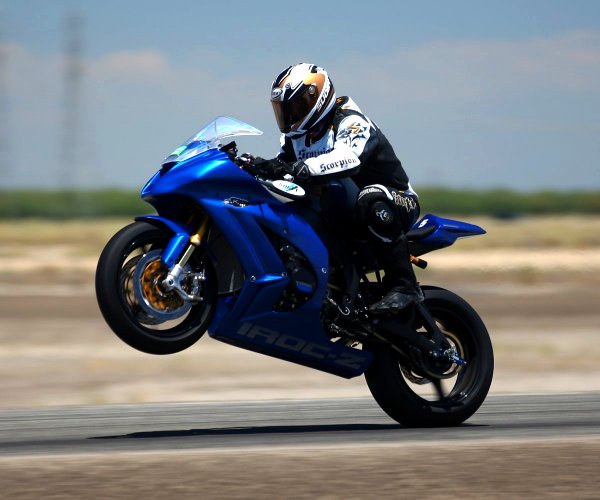
Hornet
SP Gearing Page along
with
everything you have ever needed to know about chain maintenance
Scroll Down Below the Pics for the articles
| It appears Changing the
Gearing can be problematic to the electronics as
everything seems to be tied into the sprockets being set
to 15/45 and as of yet we have no way to reprogram the
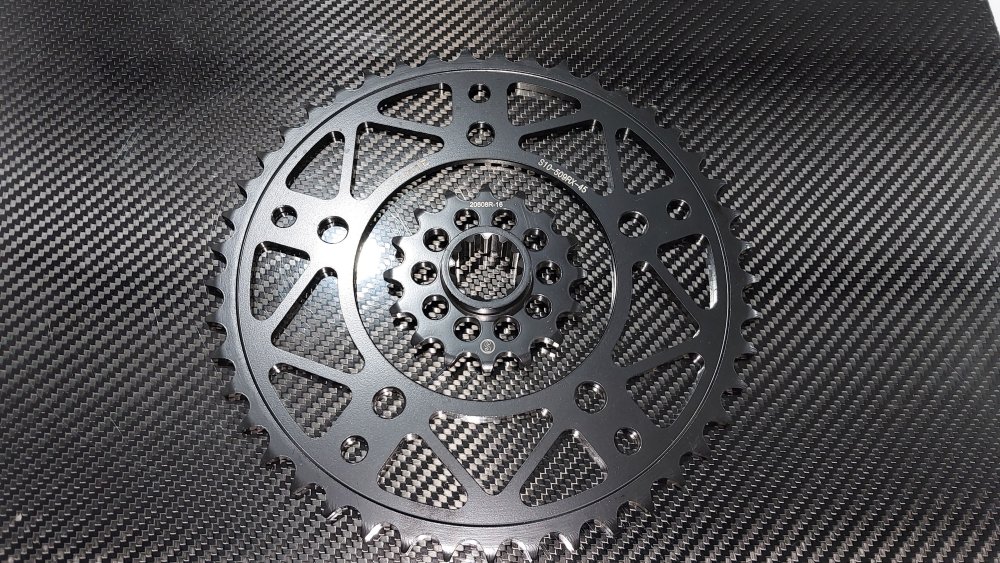
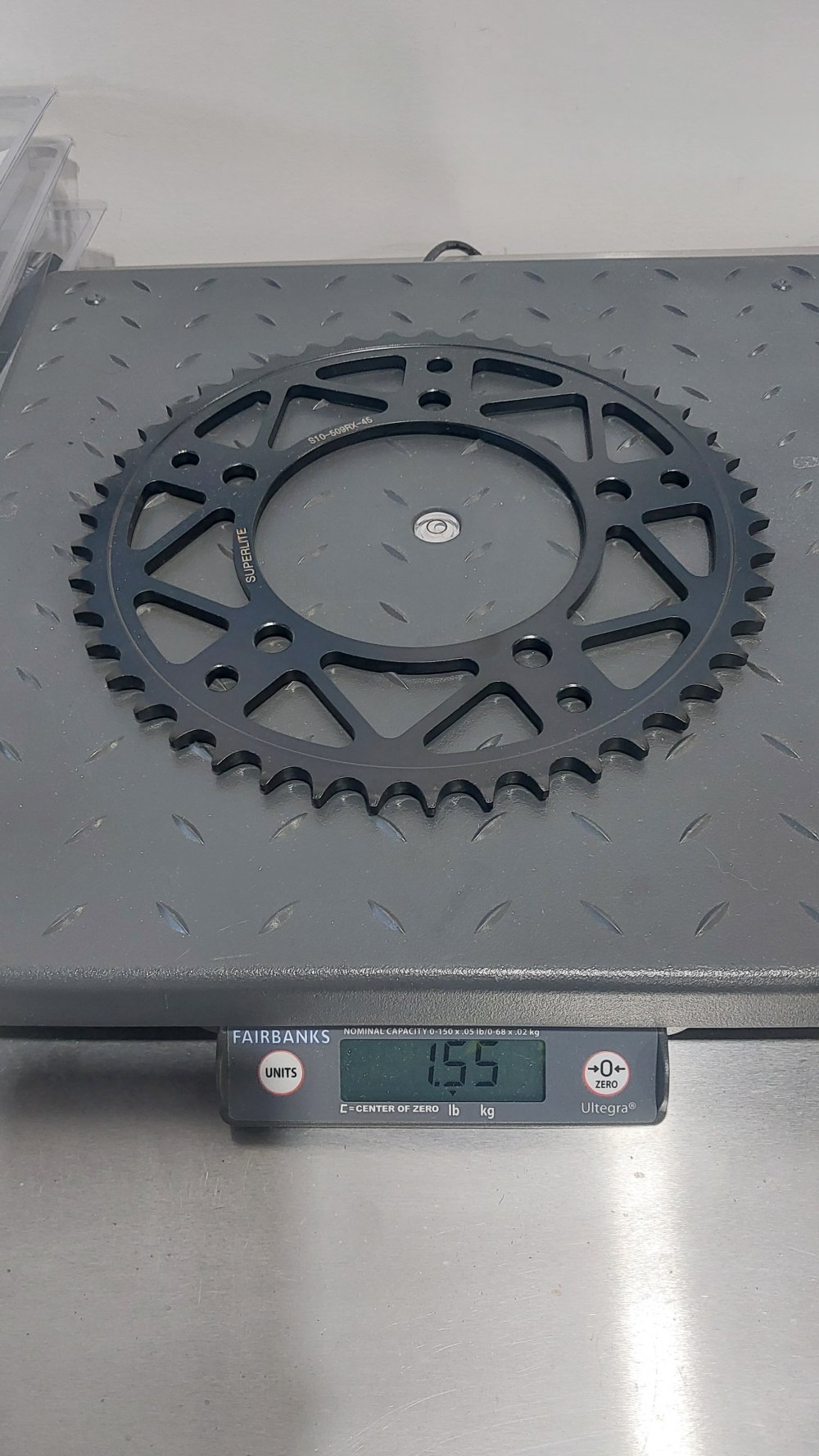
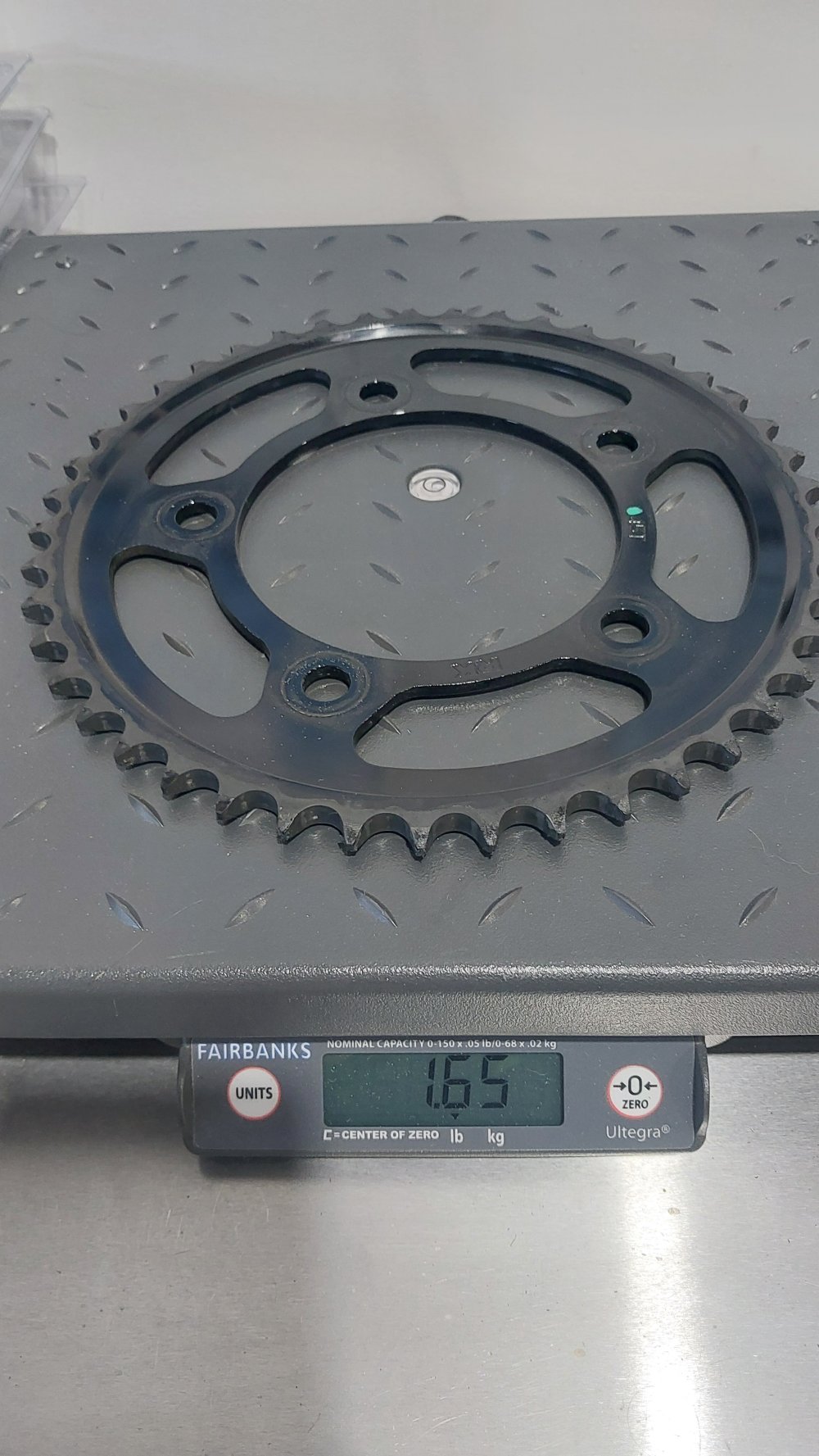
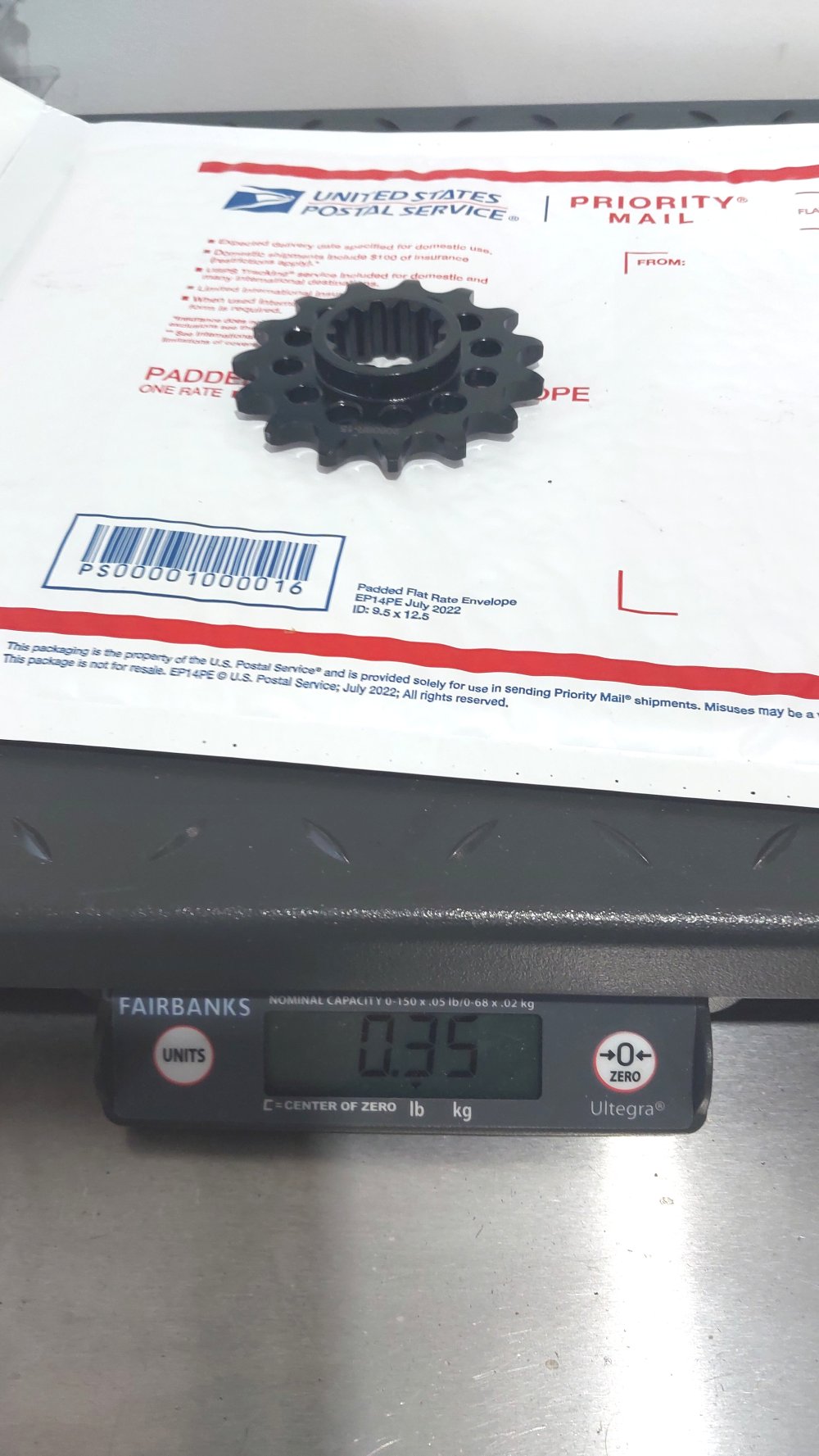
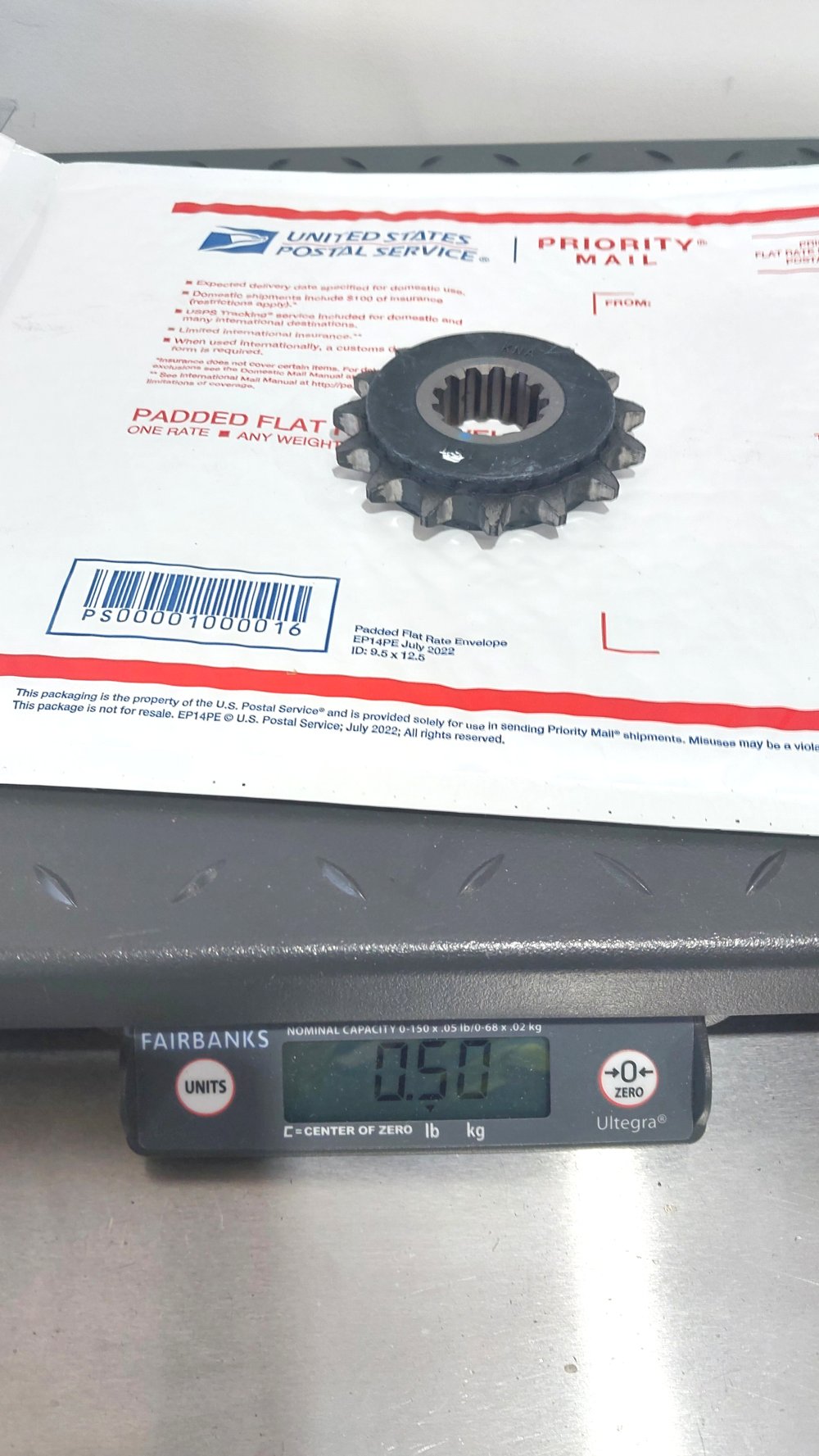
ECU for those variables For those of you that are curious here is an Excel Spreadsheet Gearing Calculator that can be used to calculate gearing changes on the Hornet SP if you so decide to So instead I decided to drop from the 525 chain to a lighter 520 Chain which saves me almost 1 lb of rotational mass. That does not sound like a lot of weight, but when it is rotating mass the gyroscopic precession is greatly reduced so not only can you feel the difference, but it is verifiable on the dyno as well. I used Drive Systems 520
Sprockets and an The new DID ERV7 520
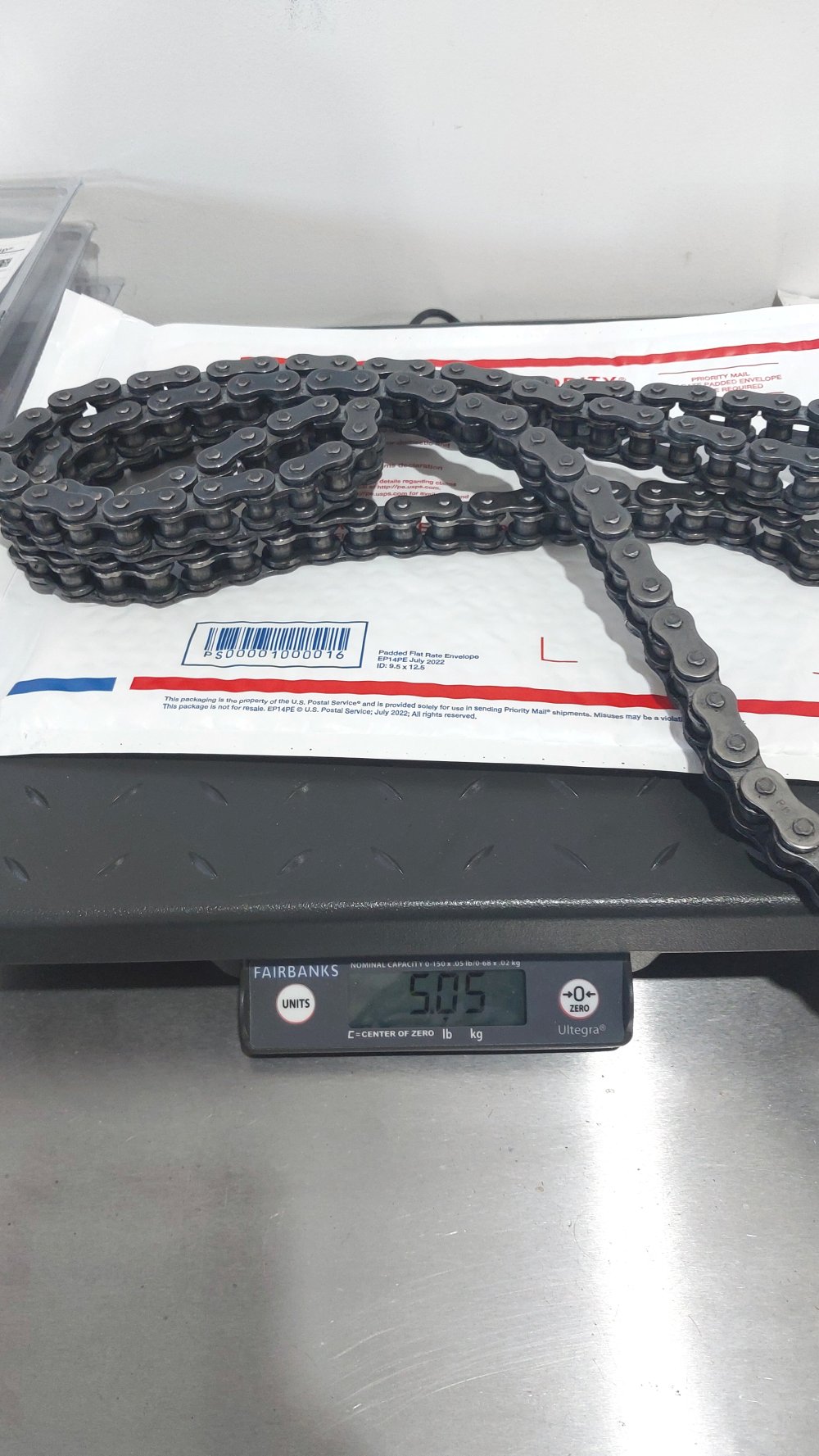
chain which btw also weighs less than the EK 3D 520 chain The Chain I threw away
after only a few hundred miles
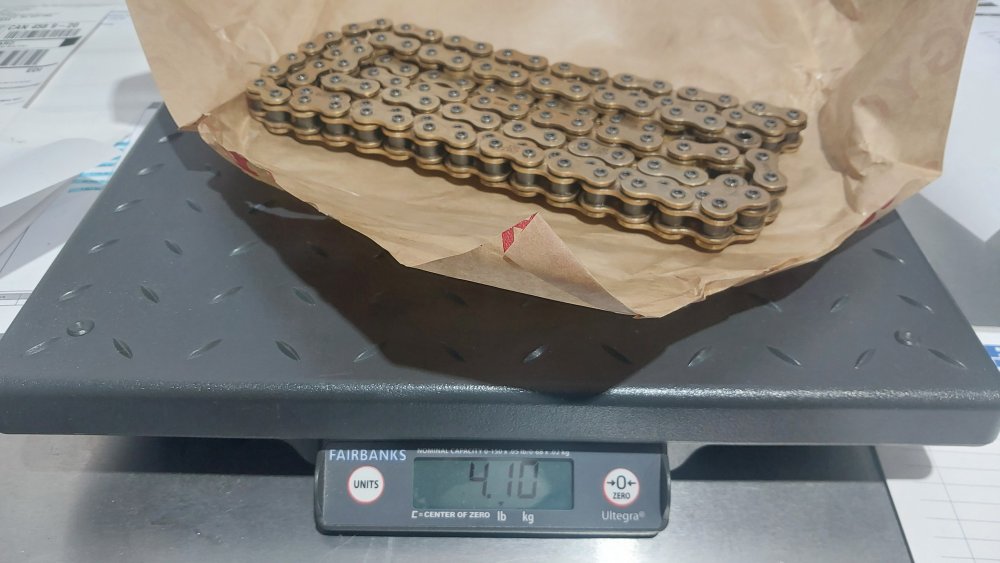
DID ERV7 520 Chain 120L
= 4.1LBS
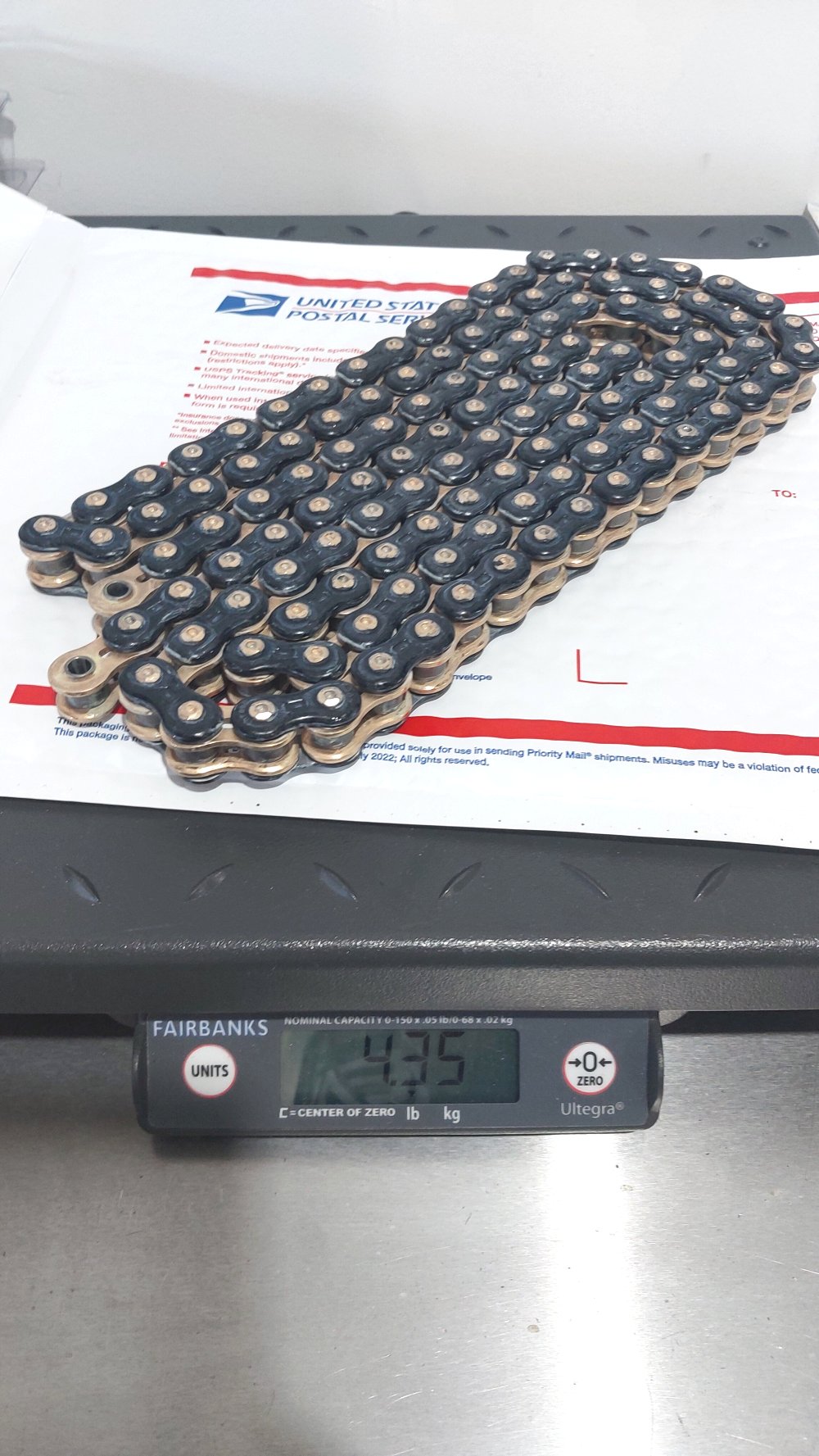
EK 3D 520 Chain 120L =
4.3LBS
What is written below is not specific to the Hornet SP. It is merely a collection of thoughts and experiences I have gathered over the years as a Test Rider and motorcycle enthusiast that I like to include on these gearing pages. Aluminum sprockets: Never buy an aluminum sprocket that is not Hard Anodized. The Hard Anodizing process greatly extends the life of the sprocket & is easily worth the extra $10 or so it costs for them. The OEM 530 pitch rear sprockets are steel & are built for durability, but the extra weight of the streel versus a lighter aluminum sprocket makes the bike harder to stop, steer & accelerate due to the additional rotating mass on the wheels. I mean you bought a top of the line high performance sportbike you might as well do all you can to get the most out of it & aluminum sprockets, even though they are going to wear out faster than steel they are still pretty damn cheap mods in the scope of things. If you can buy an $11,000+ bike you oughta be able to spend $60-$80 on a sprocket every now & then plus if you keep you chain maintenance done properly especially proper chain slack then you can get some incredible mileage out of them. I have tried just about every single brand of sprocket known to man, even used to pay big bucks (about $90 each & waited forever to get them) for the Renthal's cause I figured if the HONDA team used them they must be good (WRONG!) I have had issues with them being out of round and the hard anodized Renthals wear very quickly compared to other brands. The hard truth is those companies GIVE those sprockets away to race teams by the bucketfulls so they can say that a Pro Race team uses their products and gain market exposure. In all the years I have been testing & selling sprockets I will rest my reputation every single time on the AFAM brand even now, but they have gotten really difficult to find and it appears they changed their manufacturing process. They used to do a hard anodized finish with Teflon Impregnation, but seems now it is just hard anodizing only which is obviously cheaper, but also does not last as long as they used to. That being said there most owners are now using steel sprockets on the rear that have made it to the market in the last couple decades like the Superlight Steel sprockets from Drive Systems which are sold in the 520 size. This is the perfect way to still shave some rotational mass off the bike and get excellent longevity out of your sprockets too. Being blunt with it all these new liter bikes like the ZX-10R, S1000RR and V4 Panigale's etc are coming with around 200hp at the wheel so it's not like we really have to fight over ounces of saved weight anymore. I have sold thousands of these Superlight Steels at this point in time and they are what I have been using on my own personal bikes. Best value for the money I can offer anyone and some of my customers are getting 25,000+ miles out of a chain kit with them... Yes, they do weigh more than aluminum sprockets, but they are still significantly lighter than the OEM steel sprockets and with proper chain maintenance will last a very long time when compared to aluminum sprockets. I can also throw my
opinion out for 3 more things with great certainty: SuperSprox: Everytime I turn around on a message forum someone brings up the issue of SuperSprox sprockets. This is where they take an aluminum hub and rivet a steel out ring of teeth to it to give the user the best of both worlds etc... As far as I am concerne nothing could be further from the truth. The cost of the Supersprox sprockets is much higher than the cost of a quality aftermarket hard anodized aluminum sprocket and WAY higher than a steel rear sprocket. Here is the real kicker for me though as I had to order one of these for a very insistent customer not too long ago and when I weighed the 530 Supersprox sprocket it actually weighed MORE than the OEM steel sprocket it was replacing. Seems ridiculous to me to spend more money for less performance... 530 vs 520 conversion Ok this question comes up a lot. The difference between a 530 & a 520 is that the 520 chain is slightly smaller in width & of course with that it weighs less. Less weight means you can spin up the rotating mass faster (better acceleration). People incorrectly get the idea that the 520 chain being lighter & smaller is inferior to all 530 or even 525 chains and that is simply not the case when the quality of the chain is taken into consideration. A high quality 520 Chain like the DID ERV-II stuff is just as strong as the OEM 530 chains they are replacing or at least close enough that the issue of accelerated wear is just not an issue. Now if you are buying cheap 520 chains from lesser brands then yea you may very well have longevity problems, but stick to the DID brand and you need not worry about the quality. I have personally used DID ERV3 chains for almost 2 decades now on everythign from RC51's to GSXR1000's to my new ZX-10R and we recently used the same DID ERV3 520 chain with Alloy sprockets for an entire race season on our 209rwhp BMW S1000RR race bike and had zero problems so I know damn good and well they work and the newer DID ZVM-X chain is rated even higher than the ERV3 or the ERV7 that superseded it. If you are switching to a 520 chain you must buy 520 sprockets to go with it! You cannot use the OEM 530 or 525 sprockets with your new 520 chain nor can you use 520 sprockets with a 530 chain (yes people have asked this) Longevity (chain and sprocket life): With proper chain maintenance and slack
the high end DID 520 X-ring chains will last as long as
any OEM 530 chain which are traditionally lower quality
used to meet a price point. Chain wear
all depends on how well you keep up with your chain
maintenance. A chain needs to be kept clean, lubed and
have properly adjusted chain slack at all times. If you
meet those conditions an OEM chain will easily net you
10,000 or more miles. I've seen some guys get 25000+ out
of them.
Additional key points: Typically if you are racing the bike & need every ounce of help you can get go ahead & switch to the 520 conversion now (new chain & sprockets). If your bike is new (chain & sprockets are in good condition) & primarily a streetbike or just an occasional trackday machine then I suggest just swapping out the sprockets in the same 530 pitch & leaving the OEM 530 chain on the bike. When the time comes that you do finally wear out the OEM 530 chain then you can decide at that time if you want to do the 520 conversion (I would) since you generally have to replace both the chain & sprockets together anyway. It is also important to remember that a
chain that is a little too loose is ALWAYS better than
one that is too tight. A chain that is too tight can
limit the proper movement of the suspension stroke and
cause greatly accelerated wear on the sprockets. I've
even seen them pull the countershaft out of the engine
case and destroy the bearings/seals from extreme cases of
having a chain that is too tight. Let's talk chain
life
CHAIN CLEANING: This just recently came up in conversation on another message forum where a couple riders had complained about their fairly new X-Ring high end chain had the x-rings literally falling apart. Many years ago I had personally experienced a similar issue with an OEM o-ring chain and what had happened is I had used a very stiff plastic bristle brush to clean the chain and the bristles actually started to tear at the rubber o-rings and cause them to fall apart. the o-rings are under pressure between the side plates so the slightest nick in them will cause the abrasion to tear further under tension. In these recently reported incidents though the owners were stating that they did not use stiff bristle brushes etc, but there was a common denominator in that they were all using Motul Chain Cleaner. Now while the ingredients in the chain cleaner might not be caustic to the rubber o-rings or x-rings that does not mean that the propellant inside the can to get that detergent to the chain isn't. When I pulled the MSDS sheet on the chain cleaner it showed Butane & Propane as ingredients and both of those are deemed unsatisfactory for use with EPDM rubber. Sure some higher end X-ring chains use Viton o-rings, but most do not... It was also stated in the Motul literature as well as other brands that the products are supposed to be applied in short bursts from anywhere to 6-10 inches. This gives time for the propellant to evaporate into the air so that the caustic nature is alleviated. This is not what happens though. When you spray chain lube or chain cleaner from that far away you get a lot of overspray and it makes a mess everywhere so users were simply spraying it out of the can in long durations, right up on the chain and rotating the wheel slowly by hand to coat the chain with the cleaner. This prolonged spraying allows the caustic propellant in the can to saturate the rubber o-rings and even encapuslates them and starts to deteriorate them instead of evaporating quickly. So several weeks later they end up posting about how the o-rings on their new chain are starting to fray apart.... Don't misconstrue I am not opposed to using Motul Chain Cleaner I am simply saying that if you do not use it correctly you may be subjecting your o-ring chain to premature failure. Additionally it is highly likely that it is not just Motul Chain Cleaner that this would be an issue with. I am reasonably sure other cleaners and even other brands of aerosol chain lubrication also contain propellants that are harmful to the rubber o-rings so too much of a good thing can easily become a bad problem. Recently
I was asked about my own chain maintenance and what I
recommend. The short answer is I use WD-40 for cleaning
and light lube at all times. When I
take the time to actually lube the chain properly it is
usually Repsol Chain Lube. for the sake of
clarification I am not a fan of Repsol products as I find
their engine oils to be very inferior, but their chain
lube product is excellent. It sprays out of the can in a
very fine, atomized and controlled mist and is easy to
clean up if you get any overspray. Speedometer Error With OEM gearing most Japanese bike speedometers are designed to indicate about 7-8% faster than you are actually traveling at freeway speeds (around 70mph).That error is non-linear in that as you increase speed the error grows so by the time you are at an indicated 130mph the speedo error may be as high as 13-14%. At the same time if you are traveling at an indicated 35mph the speedo is almost perfectly accurate. it is designed that way by the engineers. If you change your gearing ratio then you alter that error. By lowering the overall gearing to say 15/42 sprockets you have increased what was originally a 7-8% error at freeway speeds to about a 12-13% error. That is why there are several versions of speedo recalibrators on the market. |